Best gardeners in Stratford E15 near Westfield for terraces
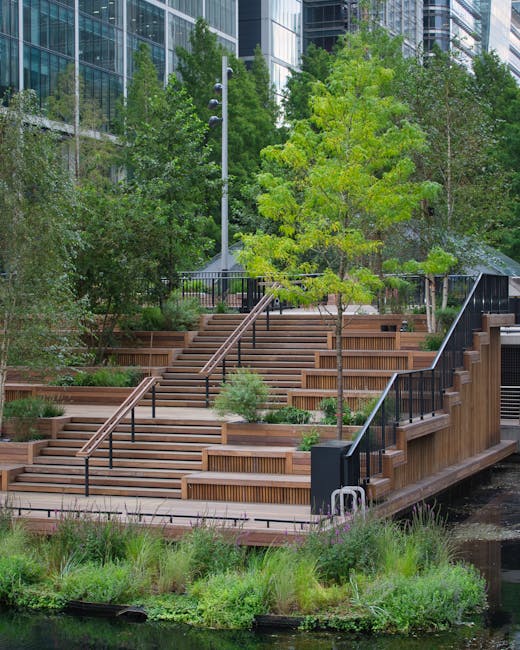
If you live in Stratford E15 near Westfield and your terrace has started to feel a bit neglected, you are not alone. Terrace gardens in this part of East London work hard: they cope with wind tunnels between buildings, patchy shade, container plants drying out too quickly, and the odd bit of city grime after a busy week. Finding the best gardeners in Stratford E15 near Westfield for terraces is really about finding someone who understands those realities, not just someone who can cut grass and leave.
A good terrace gardener knows how to make a compact outdoor space feel calm, tidy, and usable without turning it into a maintenance headache. In this guide, you will find a clear breakdown of what to look for, how terrace garden care actually works, what services matter most, and the common mistakes people make when hiring locally. There is also a practical checklist, a comparison table, and a straightforward FAQ to help you decide with confidence. Let's get into it.
Why Best gardeners in Stratford E15 near Westfield for terraces Matters
Terraces are not the same as larger suburban gardens. That sounds obvious, but it makes a huge difference. Space is limited, access can be awkward, and the whole design has to balance beauty with practicality. If a terrace gets overcrowded, the result is often a cluttered corner, poor drainage, or plants that look good for three weeks and then give up.
In Stratford, the setting matters too. Westfield brings footfall, traffic, nearby buildings, and a pace of life that can make a small outdoor space feel like a rare bit of breathing room. People want terraces that are easy to live with, pleasant to sit in, and not constantly screaming for attention. That is where skilled local gardeners come in.
The best terrace gardeners do more than tidy up. They help you use the space properly. They understand container planting, light levels, seasonal cutbacks, privacy screening, and how to keep a small outside area looking finished rather than fussy. To be fair, that is the difference between a terrace that feels like an afterthought and one that feels like part of the home.
There is also a value angle. A well-kept terrace can make daily life better, especially if you use it for coffee in the morning, a couple of pots of herbs, or an evening chair after work. Small spaces have a habit of becoming very important once they are maintained properly. Funny how that works.
If you are comparing local providers, it can help to look beyond price alone and review the wider service picture. A strong starting point is the services overview, which shows how different garden tasks fit together rather than treating everything as an isolated job.
How Best gardeners in Stratford E15 near Westfield for terraces Works
Terrace garden care usually begins with a quick but careful assessment. A good gardener will look at how the space is used, how much light it gets, whether water drains properly, and which parts are becoming difficult to manage. The aim is not just to make things neat for a day. The aim is to build a routine that keeps the terrace looking good without creating more work later.
For many terraces, the service mix includes container planting, pruning, lawn alternatives, tidying, pressure-free maintenance, and the occasional bigger reset if the space has become overgrown or crowded. In a small urban setting, the method matters almost as much as the result. If a gardener handles large shrubs without thinking about sight lines or access routes, the terrace can feel smaller straight away.
On a practical level, most terrace work falls into one of three patterns:
- Routine maintenance for keeping plants healthy, removing dead growth, and preventing mess.
- Seasonal refreshes for spring and autumn cleanup, replanting, and container changes.
- Problem-solving visits for overgrowth, poor layout, drainage issues, or general neglect.
Where a terrace has decking, raised planters, or hard landscaping, the gardener may need to coordinate with complementary services. For example, the condition of the surface may shape what can be planted and how often the area needs clearing. In some cases, it makes sense to look at landscaping support or even decking services if the terrace needs a more complete reset.
Good gardeners also think in layers. Front edge, mid-height planting, background screening, and easy-access maintenance all matter. When those layers are planned well, a terrace stays usable. When they are not, you end up stepping around pots and wondering why the table never quite fits. Happens more often than people admit.
Key Benefits and Practical Advantages
Hiring the right gardener for a Stratford terrace should make life easier, not just prettier. Here are the main benefits people usually notice first.
- Better use of limited space: A compact terrace can feel larger when plants are arranged properly and clutter is removed.
- Less ongoing stress: Routine care is simpler than trying to rescue a neglected space every few months.
- Improved plant health: Pots, borders, and planters need the right soil, feeding, and pruning at the right time.
- Cleaner surfaces: Leaves, moss, and debris can build up fast in urban outdoor areas.
- More privacy: Carefully chosen planting can soften overlooking windows and create a calmer atmosphere.
- Better seasonal appearance: Terrace gardens benefit hugely from timely changes in planting and maintenance.
There is also the practical convenience factor. If your terrace is used for work breaks, family time, or just a quiet five minutes with a mug of tea, it needs to be dependable. You do not want to spend half the weekend deadheading, sweeping, and apologising to yourself. That is not a hobby; that is a second job.
Another advantage is consistency. The best local gardeners can keep a terrace looking good in a way that suits your lifestyle. Some clients want a more curated, ornamental finish. Others want low-maintenance planting with hardy structure and minimal fuss. Both are valid. The point is to shape the garden around the way you actually live.
If your terrace is part of a wider property improvement plan, it may be worth comparing maintenance with longer-term outdoor upgrades. In some homes, regular care is enough. In others, a stronger design refresh is needed, which is where landscape gardening can be useful.
Who This Is For and When It Makes Sense
This kind of gardening service is especially useful for flat owners, renters with permission, landlords, and anyone with a terrace that is too small, too exposed, or too fiddly to manage well alone. It is also a good fit for people who love the idea of an outdoor space but do not have the time, tools, or patience to maintain it every week.
You might need support if:
- your terrace has become cluttered with pots and old containers;
- plants are dying because of poor light or inconsistent watering;
- the space feels exposed and you want more privacy;
- you need a tidy-up before a sale, letting, or event;
- you are not sure what will survive in the conditions you have;
- you want a low-maintenance plan instead of constant upkeep.
It also makes sense if you have a busy week and a narrow window for garden jobs. Many Stratford residents are balancing work, commuting, and family commitments. On a Tuesday evening, nobody wants to stand there with secateurs thinking, "I really should have got this sorted in spring."
For some people, the need is seasonal. For others, it is structural. Maybe the terrace is technically functional but visually tired. Maybe the planting is fine, yet the edges and surfaces are messy. Maybe the whole thing just needs a professional eye. That is often enough to justify bringing in experienced help.
Step-by-Step Guidance
If you want a terrace that stays attractive and manageable, a simple process works best. No drama. Just a sensible sequence.
- Assess the space honestly. Look at sun, shade, wind, drainage, privacy, and how you use the terrace day to day.
- Decide what matters most. Is this about low maintenance, better planting, cleaner surfaces, or a full refresh?
- Choose the right services. Some terraces need planting and pruning only. Others need clearance, mowing alternatives, hedge work, or landscaping support.
- Set a realistic maintenance rhythm. A terrace in London will usually need regular attention, even if it is only a light monthly or seasonal visit.
- Prioritise structural fixes first. If there is clutter, poor layout, or damaged edging, deal with that before adding new plants.
- Then add planting in layers. Start with structure, then colour, then any finishing touches.
- Review after a season. What worked? What dried out? What became too much effort? Adjust the plan.
A very common mistake is to buy plants first and think about the rest later. It feels harmless at the garden centre, with the labels all glowing and the herbs smelling fantastic. But on a terrace, the container size, watering needs, and exposure can make or break the result.
If the space needs a deeper tidy-up first, a tailored garden clearance may be the cleanest way to start before moving into routine maintenance.
Expert Tips for Better Results
Here is the sort of advice that makes a real difference in small urban gardens.
- Choose fewer, better plants. A restrained mix usually looks smarter than a crowded one.
- Use containers with purpose. The pot matters nearly as much as the plant. Drainage holes are not optional, by the way.
- Think vertically. Trellises, wall planters, and taller screening plants can give a terrace more presence without eating up floor space.
- Match the planting to the conditions. If a terrace is windy and bright, choose accordingly. If it is shaded and sheltered, that changes everything.
- Keep access clear. A terrace should still be easy to walk through and use. Beautiful, yes. Obstacle course, no.
- Build maintenance into the design. If a feature is hard to reach, it will probably be ignored later.
One simple tip that often gets overlooked: make sure the area can be watered comfortably. If the nearest tap is awkward to reach, or a watering can has to be carried through the flat every time, the garden will suffer. Small inconvenience, big consequence.
You should also ask a gardener how they approach cutting back and shaping, especially if you have shrubs that can quickly dominate a terrace. Sensible pruning keeps things airy and tidy. Heavy-handed pruning can leave a space looking stark, which nobody wants. A good local provider should be able to explain the difference in plain English.
Common Mistakes to Avoid
Terrace gardens are easy to overcomplicate. The most common problems are usually simple ones, though, which is annoying in a way.
- Buying too many plants at once. It creates clutter and makes watering difficult.
- Ignoring drainage. Waterlogged containers are a fast route to unhappy roots.
- Choosing plants for looks only. If they do not suit the light or wind, they will struggle.
- Letting hard surfaces gather moss and debris. It looks untidy and can become slippery.
- Not planning for winter and summer extremes. London terraces can swing from drying sun to cold wind surprisingly fast.
- Hiring on price alone. Cheap can be fine, but it should still mean competent, insured, and clear about what is included.
Another mistake is expecting a one-off visit to solve a long-term maintenance problem. Sometimes it does help, of course. But if the terrace has a pattern of overgrowth or mess, a regular service is often the more honest answer.
People also underestimate how much difference clean edges and tidy containers make. Not glamorous. Very effective. A terrace that is cut back neatly usually looks more cared for even before any new planting goes in.
Tools, Resources and Recommendations
The best gardeners bring the right tools, but the homeowner still benefits from knowing what tends to be useful on a terrace. That way, you can judge whether a recommendation sounds sensible or a bit made up on the spot.
| Need | Useful approach | Why it helps |
|---|---|---|
| Routine tidying | Light maintenance visits | Keeps the terrace manageable without major build-up |
| Overgrown space | Clearance before maintenance | Creates a clean base for redesign or planting |
| Needing privacy | Layered planting or screening | Softens views without making the terrace feel boxed in |
| High-use outdoor area | Durable, low-fuss planting choices | Reduces stress and watering demand |
| Surface issues | Combined maintenance and landscaping input | Improves both appearance and usability |
In practical terms, a terrace gardener may use hand tools, pruning equipment, lightweight clear-up kit, and containers suited to the space. If bigger structural work is needed, that can push things into broader landscaping rather than simple upkeep. And that is fine. It is better to use the right service than force a small job into the wrong box.
For ongoing support, it can help to review a company's core maintenance offer such as garden maintenance alongside any related services like lawn mowing or hedge trimming if your terrace includes those features. Even terrace spaces sometimes borrow elements from larger gardens, oddly enough.
Law, Compliance, Standards and Best Practice
For terrace gardening in Stratford, the main compliance concerns are usually practical rather than dramatic. Good providers should work safely, respect property boundaries, and use sensible methods for waste removal, access, and equipment handling. If work involves higher-risk tasks, such as tree work, the standard should be more cautious. No shortcuts.
When choosing a gardener, it is reasonable to ask whether they are insured, how they approach safety, and how they handle waste. That does not make you difficult. It makes you careful, which is fair. Garden jobs can involve sharp tools, lifting, slips on damp surfaces, and shared access areas in flats or terraces.
It is also sensible to check terms, payment expectations, and how quotes are explained. Transparent pricing helps avoid awkward misunderstandings later. If a job has multiple stages, make sure you know what is included in each one. The same goes for access arrangements, especially where shared hallways or communal entrances are involved.
On the broader best-practice side, sustainability matters more now than it used to. Reusing healthy containers, composting where appropriate, and reducing unnecessary waste are all sensible approaches in a terrace setting. If those details matter to you, it is worth looking at a provider's recycling and sustainability approach and their general insurance and safety information.
For companies that handle complaints, accessibility, or customer protections well, those pages are often a quiet sign of professionalism rather than a marketing flourish. That kind of housekeeping matters, even if nobody brags about it over breakfast.
Options, Methods, or Comparison Table
If you are trying to decide the right level of support for a terrace, the choice usually comes down to how much intervention you need. Here is a simple comparison.
| Option | Best for | Pros | Limits |
|---|---|---|---|
| DIY upkeep | Very small, simple terrace spaces | Low cost, flexible timing | Easy to miss problems, slower results |
| One-off tidy-up | Neglected or seasonal reset jobs | Fast visual improvement | May not solve underlying maintenance needs |
| Regular maintenance | Busy homeowners and renters with permission | Consistent look, fewer surprises | Requires ongoing budget |
| Full landscaping refresh | Terraces needing a redesign or structural changes | Biggest transformation | More planning and potentially more cost |
For many Stratford terraces, the sweet spot is regular maintenance with an occasional seasonal refresh. That gives you enough control without turning the whole thing into a project. If your terrace has storage issues, tired planting, or awkward layout, you may need a more design-led route first. Then maintenance becomes easier afterwards.
A simple rule of thumb: if the terrace feels hard to use, start with structure. If it feels usable but dull, start with planting. If it feels both, well, that is where experienced gardeners earn their keep.
Case Study or Real-World Example
Picture a typical Stratford terrace near Westfield: a compact outdoor space with a couple of large pots, some leggy plants, a few leaves built up in the corners, and decking that looks a bit grey after months of weather. Nothing dramatic. Just the usual slow drift into "we should really sort that out."
The first step is usually clearing clutter and checking what can be saved. Healthy plants get kept. Tired or badly placed containers are moved. Then the gardener looks at whether the space needs more structure, maybe a small screen for privacy, or better grouping of pots so the terrace feels intentional rather than random. A bit of pruning, a proper tidy-up, and a few stronger plant choices can change the mood of the whole place.
What tends to surprise people is how much calmer the space feels once the edges are clean and the layout makes sense. You notice the light more. You notice the chair you never used suddenly looks inviting. It sounds small, but small spaces are like that. They have a lot of influence.
In one very ordinary but telling scenario, a homeowner wanted a terrace that could handle both weekday coffee and the occasional Saturday evening gathering. The solution was not an elaborate makeover. It was sensible maintenance, a few better containers, and ongoing care around the planting. Simple, really. Not flashy, but good. And good is what most people actually need.
Practical Checklist
Use this checklist before you book a gardener for your terrace.
- Is the gardener experienced with small urban gardens and terraces?
- Do they understand shade, wind, and container planting?
- Can they explain what is included in the quote?
- Are they clear about regular maintenance versus one-off work?
- Do they seem realistic about what the terrace can support?
- Can they handle clearance, pruning, and tidy-up work if needed?
- Do they talk about safety, insurance, and access with confidence?
- Do they offer advice on keeping the space low maintenance?
- Are they willing to suggest practical improvements rather than just adding more plants?
- Do they make it easy to ask questions and get a straight answer?
If you can tick most of those boxes, you are in decent shape. If not, keep looking. It is better to wait a week than to end up with a terrace that looks neat for ten minutes and then starts sliding backwards again.
Get a free quote today and see how much you can save.
Conclusion
Finding the best gardeners in Stratford E15 near Westfield for terraces is not about chasing the fanciest pitch. It is about finding someone who understands the realities of compact outdoor space, can work cleanly and sensibly, and helps you build a terrace that is pleasant to live with all year round.
The strongest results usually come from a simple formula: practical design, regular maintenance, realistic planting choices, and a gardener who respects your time. Once that is in place, a terrace stops feeling like a chore and starts feeling like part of home. That really is the point.
If your terrace needs a bit of help, a full reset, or just a steadier routine, the right support can make a noticeable difference without overcomplicating things. And if you ask me, a well-kept terrace on a bright Stratford morning is one of those small everyday luxuries that quietly improves everything else.
Frequently Asked Questions
What should I look for in a gardener for a terrace in Stratford E15?
Look for someone who has clear experience with small spaces, container planting, pruning, and tidy maintenance. A terrace needs different thinking from a full garden, so local urban experience matters quite a lot.
How often does a terrace garden need maintenance?
That depends on the planting, season, and how much the space is used. Many terraces benefit from regular visits rather than occasional big jobs, because small spaces can become messy surprisingly quickly.
Can gardeners help with very small terraces near Westfield?
Yes, and in many cases small terraces are exactly where professional support helps most. Even limited space can look dramatically better with the right layout, pruning, and planting choices.
Is one-off terrace garden clearance enough?
It can be, if the main problem is clutter or neglect. But if you want the space to stay tidy, a follow-up maintenance plan is usually the smarter option.
What services are most useful for terrace gardens?
Routine maintenance, pruning, clearance, planting advice, and sometimes landscaping or decking-related support. The best mix depends on whether the terrace needs a tidy-up, a refresh, or a redesign.
Do terrace gardeners need special equipment?
They usually need lightweight, practical tools that suit small-access spaces and container work. Bigger is not always better here. In fact, a bulky approach can be more trouble than it is worth.
How do I keep a terrace low maintenance?
Use hardy plants, fewer containers, good drainage, and a layout that stays easy to access. Simpler designs are often easier to live with and maintain long term.
What if my terrace is shady and windy?
That is common in urban Stratford settings. A good gardener should choose plants that match those conditions rather than trying to force unsuitable varieties into the space.
Should I choose a gardener based on price alone?
Not really. Price matters, but so do clarity, experience, insurance, and whether the gardener understands terraces properly. The cheapest option can become expensive if the work is rushed or poorly planned.
Can gardening help make a terrace feel more private?
Yes. Layered planting, screening, and thoughtful positioning of taller containers can soften overlooking views and make the space feel calmer.
What is the best time of year to refresh a terrace garden?
Spring and early autumn are often good times for most terrace updates, though urgent tidy-up or maintenance work can be done whenever needed. The main thing is to match the work to the season and conditions.
How do I know if I need landscaping rather than maintenance?
If the terrace has layout issues, poor surfaces, or structural features that are not working, maintenance alone may not be enough. If the space is basically fine but just needs regular care, maintenance is usually the better fit.
Whether you are starting from scratch or just trying to stop a terrace from slipping into chaos, the right help makes the whole thing easier. And honestly, that is a relief worth having.